Pharmaceutical residues are increasingly detected in rivers and wastewater systems, raising serious concerns about long term environmental and public health impacts. One of the most common contaminants is acetaminophen, a widely used painkiller that conventional wastewater treatment systems often fail to remove completely. To address this challenge, researchers are developing sustainable nanomaterials that offer both high efficiency and environmental compatibility.
In a recent study, researchers developed a high-performance adsorbent using electrospun nanofibers produced from polyacrylonitrile and sago lignin, a renewable by product of the sago industry. These nanofibers were converted into activated carbon nanofibers, creating a material capable of efficiently removing acetaminophen from water. The use of sago lignin not only improved adsorption performance but also contributed to sustainability by utilizing an abundant biomass resource.
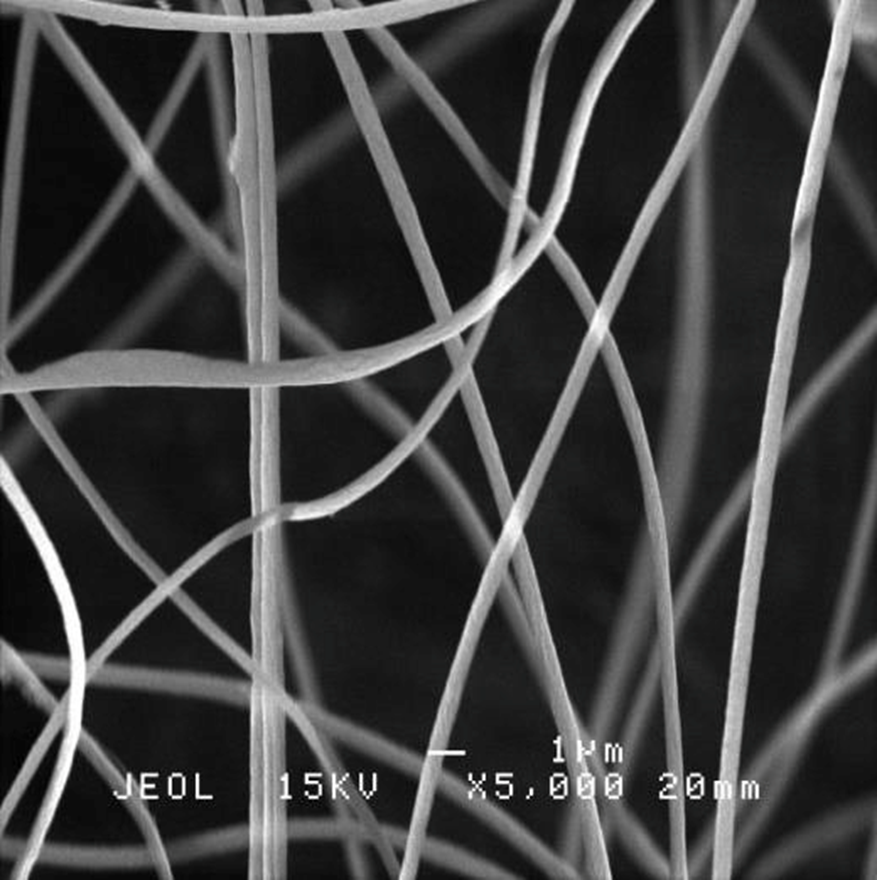
Microscopic analysis showed that the nanofibers formed an interconnected and highly porous network with a large surface area, an ideal structure for capturing pharmaceutical molecules. The incorporation of sago lignin enhanced pore development and surface functionality, providing more active sites for adsorption. Chemical analysis further confirmed the presence of surface functional groups that strengthened interactions between the nanofibers and acetaminophen molecules.
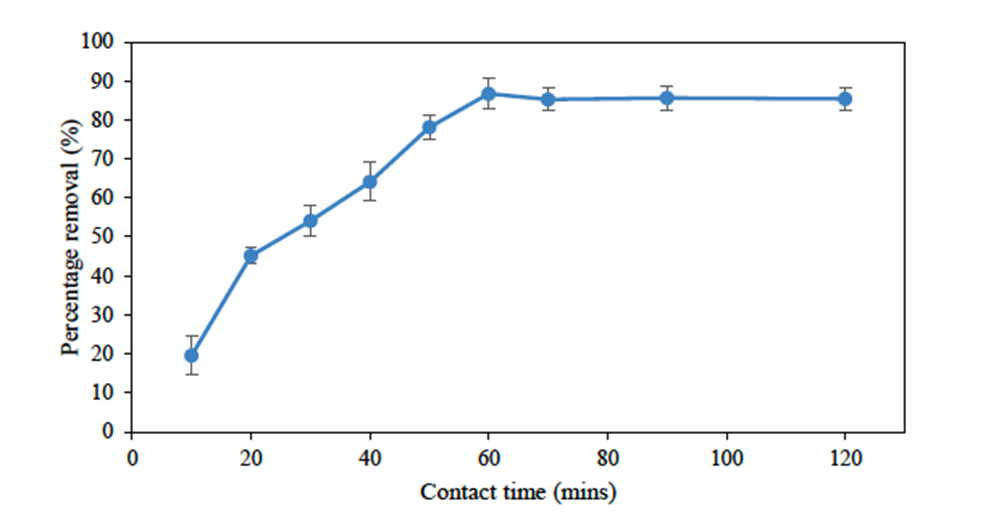
Adsorption experiments demonstrated rapid and effective removal of acetaminophen, with equilibrium reached within a short contact time. Removal efficiency increased as the concentration of acetaminophen increased, indicating a strong affinity between the adsorbent and the contaminant. The material performed best under neutral to slightly acidic conditions, which are commonly encountered in wastewater treatment environments.
Further analysis revealed that acetaminophen adsorption occurred through monolayer coverage on the nanofiber surface, reflecting efficient utilization of available adsorption sites. Kinetic studies showed that the adsorption process was governed primarily by chemical interactions, contributing to the high uptake capacity of the material. When compared with conventional activated carbon materials, the polyacrylonitrile and sago lignin-based nanofibers exhibited superior adsorption performance.
Beyond efficiency, sustainability is a major strength of this approach. Transforming sago lignin, a low-cost agricultural residue, into a functional nanomaterial demonstrates how waste resources can be repurposed into valuable environmental solutions. This strategy reduces waste while supporting the development of greener wastewater treatment technologies.
Overall, the study highlights the strong potential of biomass derived activated carbon nanofibers as effective and environmentally friendly materials for removing pharmaceutical contaminants from water. As concerns over emerging pollutants continue to grow, innovations such as this provide promising pathways toward cleaner water and healthier ecosystems.
Source:
Ramlee D.A., Nordin N.A., Rahman N.A., Bahruji H. Removal of Acetaminophen by Using Electrospun Pan/Sago Lignin-Based Activated Carbon Nanofibers (2024) Malaysian Journal of Analytical Sciences, 28 (6), pp. 1442 – 1457.
https://www.scopus.com/inward/record.uri?eid=2-s2.0-85216256194&partnerID=40&md5=6eadd38698700032bd4a5d8fc1bc0eaf
Date of Input: 27/02/2026 | Updated: 27/02/2026 | roslina_ar
MEDIA SHARING